
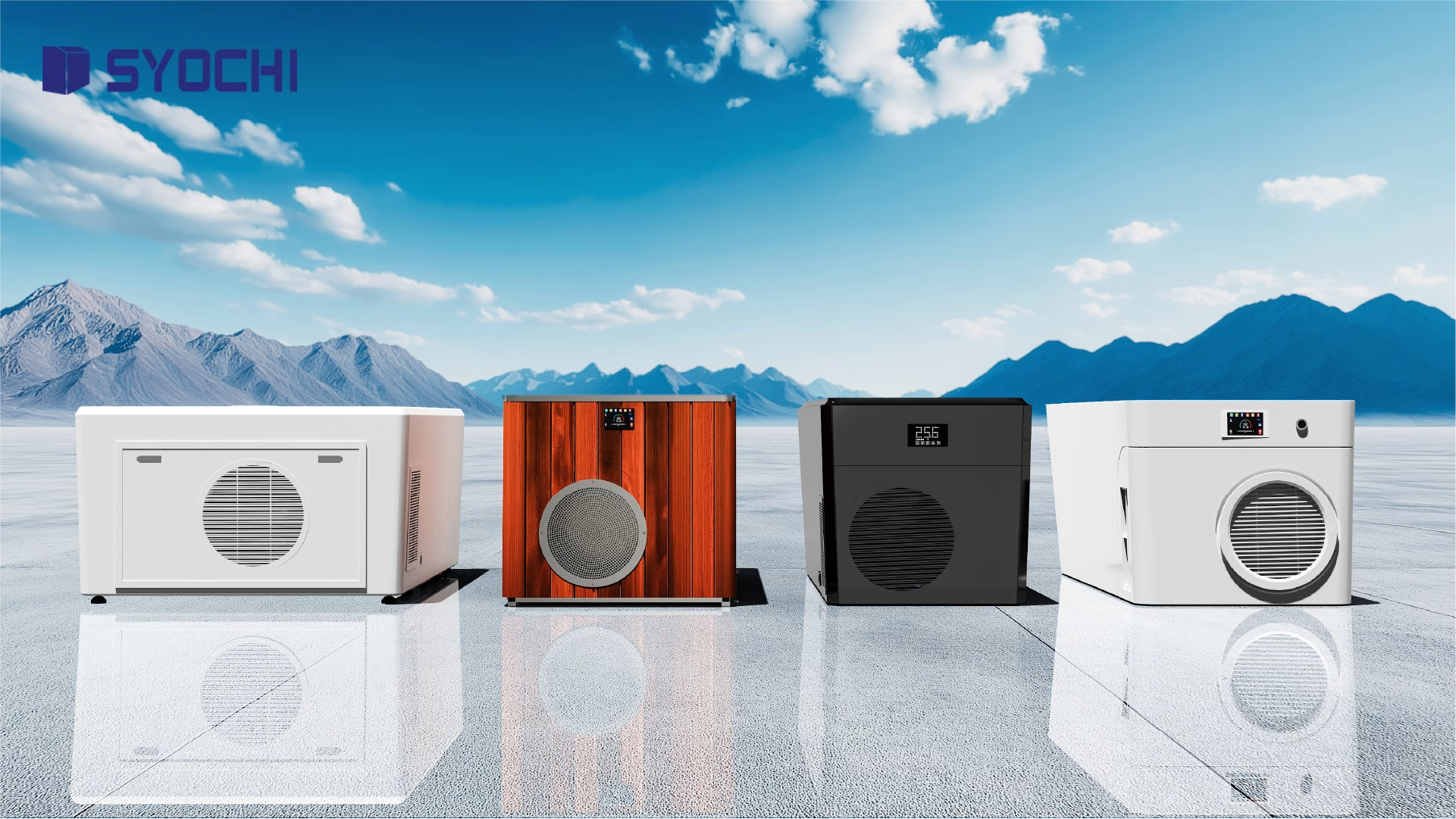
Ice Bath Top Manufacturer Review
2025 Global Ice Bath Chillers Market Report
This report will provide a comprehensive analysis of the latest trends and developments in the ice bath chiller market by 2025.

Refrigerants, the unsung heroes of our modern world, play a crucial role in regulating temperature in devices like Fridges, Air Conditioners, and Chillers. Their unique properties not only help us save energy but also contribute to environmental security.
This article discusses the impact of refrigerants on the environment. It also explains how refrigerants are classified and numbered. Additionally, it examines their effects on safety, flammability, and environmental protection.
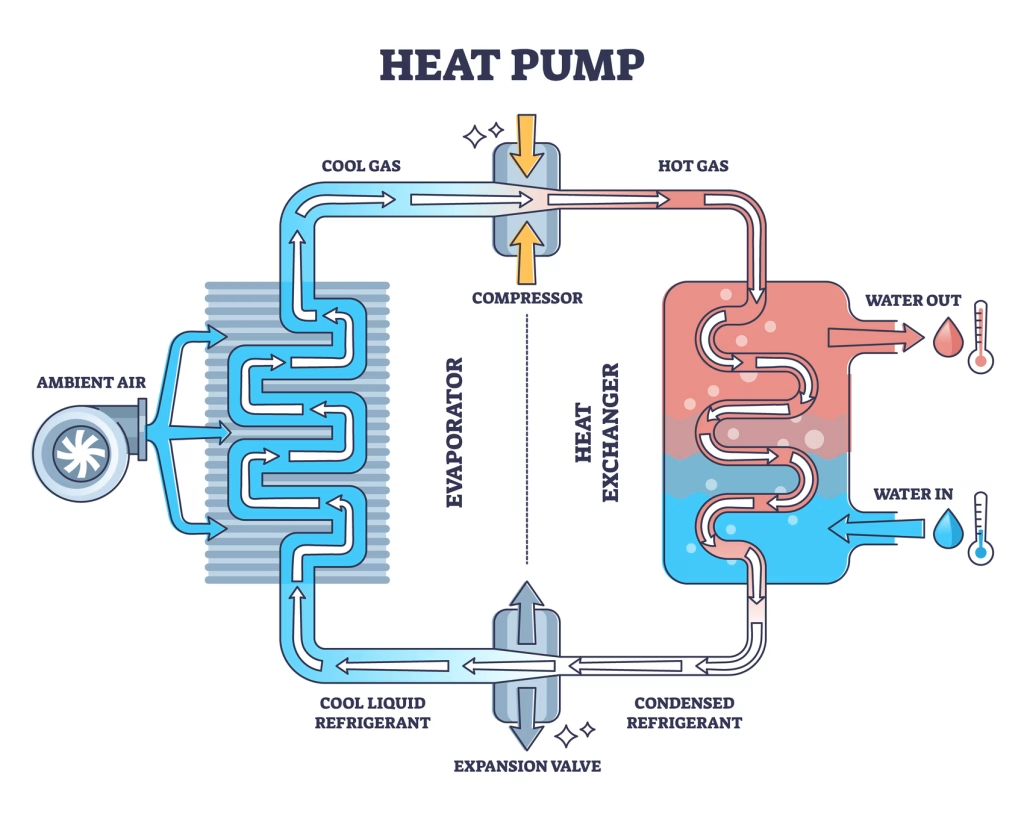
Refrigerants, unique and important substances, are used in engines to control temperature. They can be used in refrigerators, chillers, and air conditioning systems. They help change liquid to gas and vice versa. This helps maintain a comfortable temperature.
They are versatile. This complexity underscores their importance as our ‘fourth hand’ on Earth.
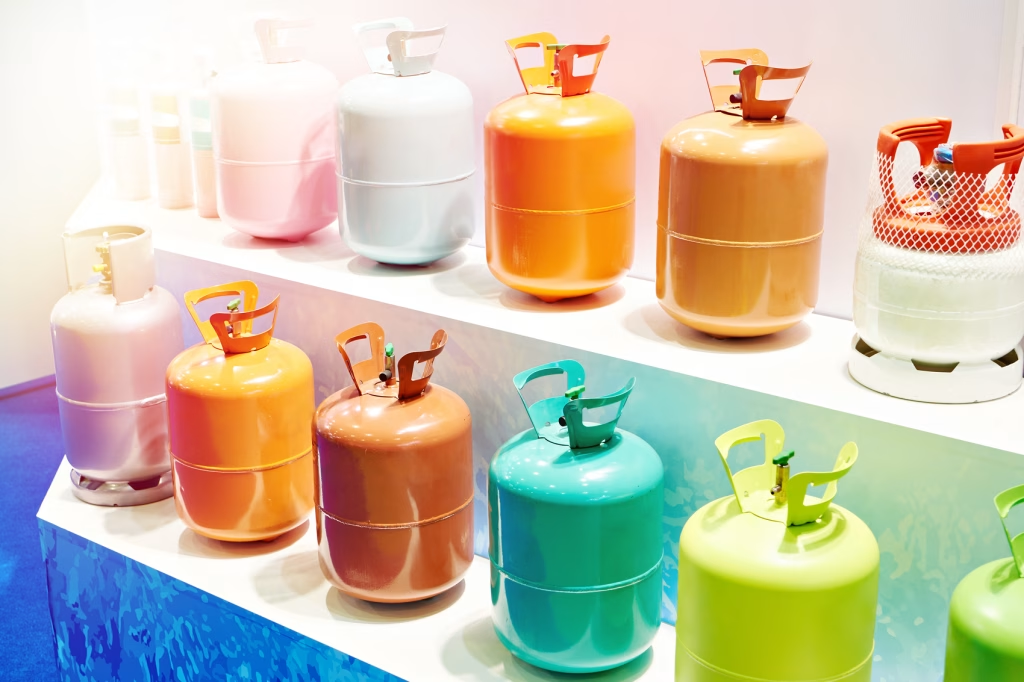
Refrigerants, like many other substances, can be classified based on various factors. These classifications, which include safety level, evaporation temperature, and chemical composition, provide a structured way to understand and compare different types of refrigerants.
– A1 Level (Non-flammable, non-toxic)
– A2 Level (Slightly flammable, non-toxic)
– A3 Level (Flammable, non-toxic)
– Refrigerants for high temperatures (applied in air conditioning systems.)
– Medium-Temperature Refrigerants: Commonly used in supermarket refrigeration cabinets.
– Low-temperature refrigerants: Used in low-temperature cold storage.
– Fluorocarbon refrigerants: Such as R22 refrigerant , R134a refrigerant , R407c refrigerant , R410a refrigerant , widely used in domestic and commercial refrigeration systems.
– Ammonia: A chemical refrigerant used in many industrial cooling systems; good evaporative temperature and high thermal conductivity.
– Hydrocarbons: Such as propane (R290), which are environment-friendly with low GWP and Ozone-Depletion Potential.
– Mixed refrigerants like R410A are a combination of different fluorocarbons used in efficient air conditioning units.
– Other refrigerants: Some industries use only specific refrigerants, such as dichlorotrifluoroethane (R123) refrigerant.
More people are now using refrigerants with low ODP and GWP to help the environment.
But future research and development will have to be sensitive both to the environment while also being energy efficient. This highlights the importance of measured management of both safe use and recycling of discarded refrigerants.
ODP, GWP and Safety Classification of Common Refrigerants
ODP and GWP are the two most important indicators for assessing the environmental impact of chemical substances.
Ozone Depletion Potential (ODP): An index that measures the potential of a substance to destroy the ozone layer. The benchmark substance is CFC-11, with an ODP value of 1.0.
Global Warming Potential (GWP): An index that evaluates the impact of a substance on the greenhouse effect. The benchmark substance is CO₂ with a GWP value of 1.
| Refrigerant | ODP | GWP |
| R22 | 0.055 | 1810 |
| R410a | 0.000 | 2088 |
| R32 | 0.000 | 675 |
| R717 (Ammonia) | 0.000 | 0 |
| R134a | 0.000 | 1430 |
| R404a | 0.000 | 3922 |
| R407c | 0.000 | 1774 |
R22 has the highest ODP, while R410a, R32, R717, R134a, R404a, and R407c all have an ODP of 0. R404a also has the highest GWP, while R717 has the lowest GWP
Understanding ODP and GWP can help us assess the impact of chemicals on the environment. This knowledge can lead to improved methods for protecting the ozone layer and addressing global warming.
Refrigerants are categorized not only based on their flammability but also on their level of toxicity. ASHRAE (American Society of Heating, Refrigerating, and Air-Conditioning Engineers) Standard 34 defines safety classifications based on toxicity (designated as “A” for lower toxicity and “B” for higher toxicity) and flammability. Here’s an expanded breakdown of refrigerants by toxicity levels:

These refrigerants pose significant health risks if inhaled in large quantities. They must be handled with caution, especially in poorly ventilated areas. Despite their high toxicity, these refrigerants are often chosen for their effective cooling properties.
Medium toxicity refrigerants can still pose health risks but are generally less harmful than high-toxicity refrigerants. They are often used in a variety of commercial and industrial applications.
These refrigerants are considered safer to use from a health perspective, though some may still present flammability risks. They are preferred in many industries due to their lower impact on human health and the environment.
Refrigerants have four levels of flammability: 1, 2L, 2, or 3.

Characteristics: These refrigerants do not exhibit flame propagation when exposed to air at certain conditions. They are considered the safest in terms of flammability.
Characteristics: These refrigerants have low flammability and burn very slowly. They are considered mildly hazardous compared to non-flammable refrigerants but are still used in many applications because of their lower environmental impact.
Characteristics: These refrigerants ignite easily and are much more dangerous to handle. Special precautions are required during their storage and usage.
Temperature and Pressure Comparison Table of Common Refrigerants
Refrigerant | Boiling Point at 1 Atmosphere (°C) | Critical Temperature (°C) | Critical Pressure (bar) |
R22 | -40.8 | 96.0 | 49.7 |
R410a | -48.5 | 72.5 | 48.9 |
R32 | -52.0 | 78.0 | 57.6 |
R717(Ammonia) | -33.3 | 132.4 | 113.5 |
R134a | -26.1 | 101.1 | 40.6 |
R404a | -46.5 | 72.1 | 37.5 |
R407c | -44.4 | 87.3 | 46.2 |
The cooling performance of refrigerants depends on various factors such as thermodynamic properties, thermal conductivity, the heat transfer coefficient, environmental impact, and energy efficiency. These factors determine how effective a refrigerant is in different applications and environments.
Therefore, different refrigerants have large differences in cooling effects. The following lists the cooling conditions of common refrigeration:
R22 Cooling Effect: R22 was once the standard refrigerant for residential and commercial air conditioning systems due to its excellent cooling properties. It has a relatively high cooling capacity and is compatible with many types of HVAC systems.
R22 Current Use: As a result of its environmental harm, the use of R22 has been largely banned, and systems using R22 are being replaced or retrofitted with more environmentally friendly alternatives.
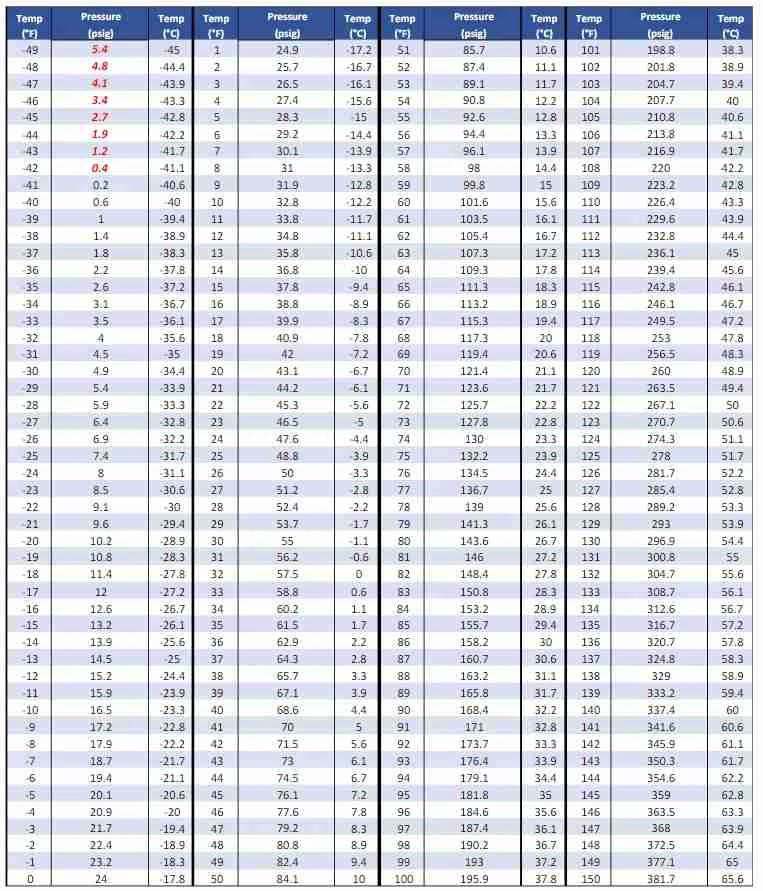
R410a Cooling Effect: R410A is a high-pressure refrigerant that has been widely adopted as a replacement for R22. It has a strong cooling effect and operates efficiently in modern air conditioning systems. The higher pressure allows for better energy efficiency and cooling performance compared to R22.
R410a Current Use: R410A is still widely used in residential and commercial air conditioning systems, though newer refrigerants with lower GWP are starting to replace it in some applications due to environmental concerns.
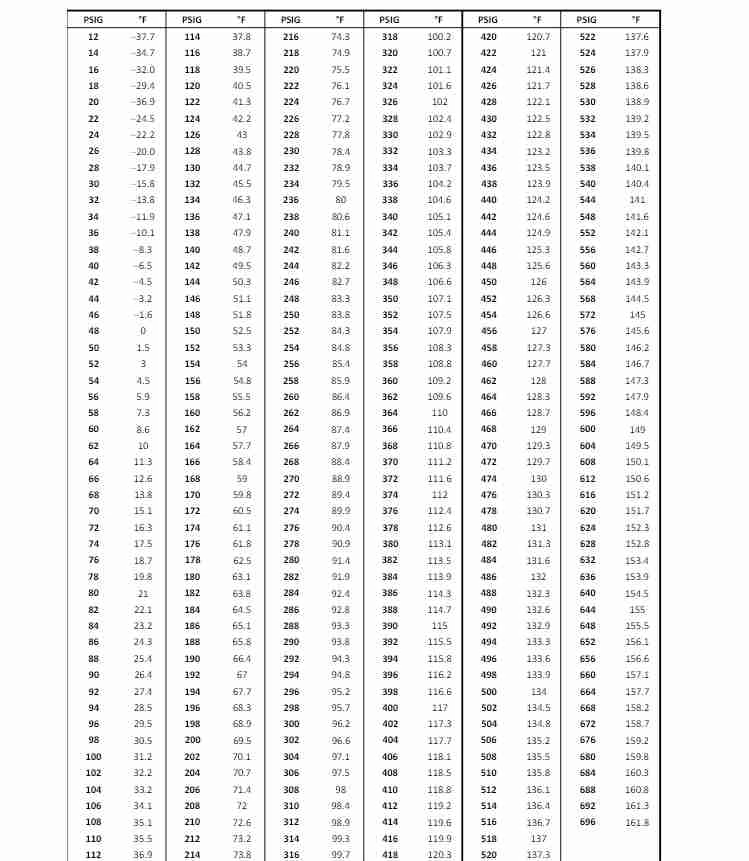
R32 Cooling Effect: R32 has a very efficient cooling performance, making it an increasingly popular choice for air conditioning systems. Its thermodynamic properties allow for higher energy efficiency, reducing the amount of electricity needed for cooling.
R32 Current Use: R32 is gradually replacing R410A in many air conditioning systems due to its superior energy efficiency and lower GWP. Its mild flammability requires special handling, but its benefits make it a preferred refrigerant in many new systems.
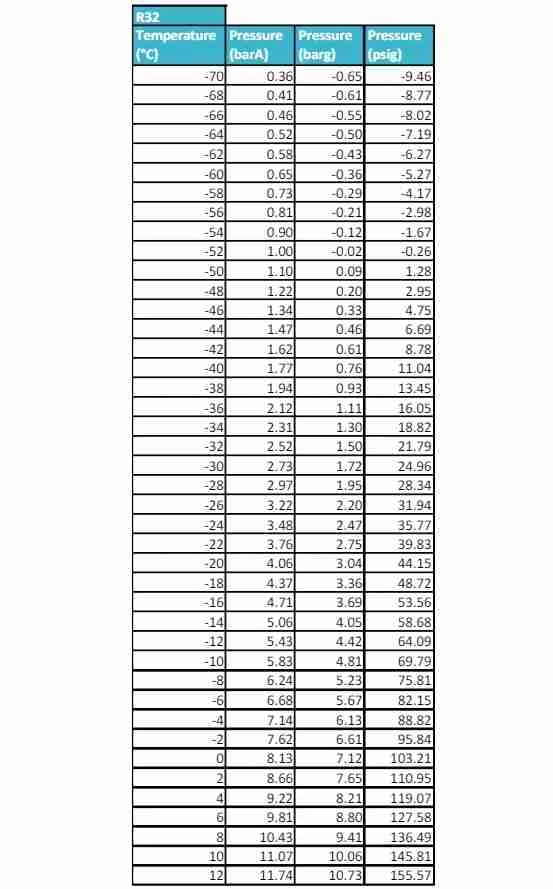
R600a Cooling Effect: R600a is commonly used in household refrigerators and freezers due to its excellent cooling efficiency and low energy consumption. It has high thermal conductivity and performs well in low-temperature applications, making it ideal for domestic refrigeration.
R600a Current Use: R600a is widely used in domestic refrigerators, especially in Europe and Asia, and is gaining popularity in other regions due to its environmental benefits. Its flammability has limited its use in some applications, but its performance and sustainability make it a leading choice for household refrigeration.
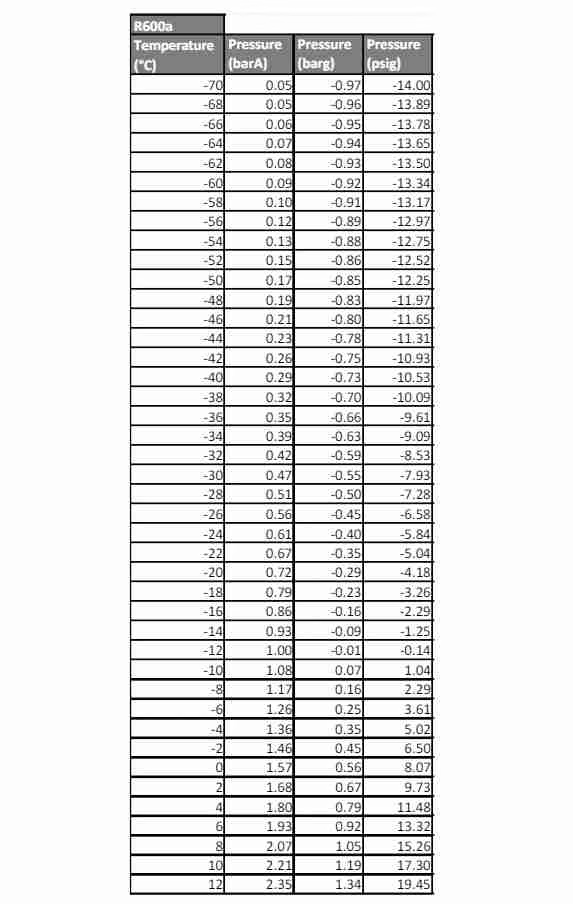
R134a Cooling Effect: R134a has been a widely used refrigerant in automotive air conditioning and domestic appliances. It offers good cooling performance and is effective at maintaining cool temperatures in both cars and home systems.
R134a Current Use: R134a is still used in many existing air conditioning systems, but it is being replaced in new systems, particularly in the automotive sector, where alternatives like R1234yf are becoming the standard.
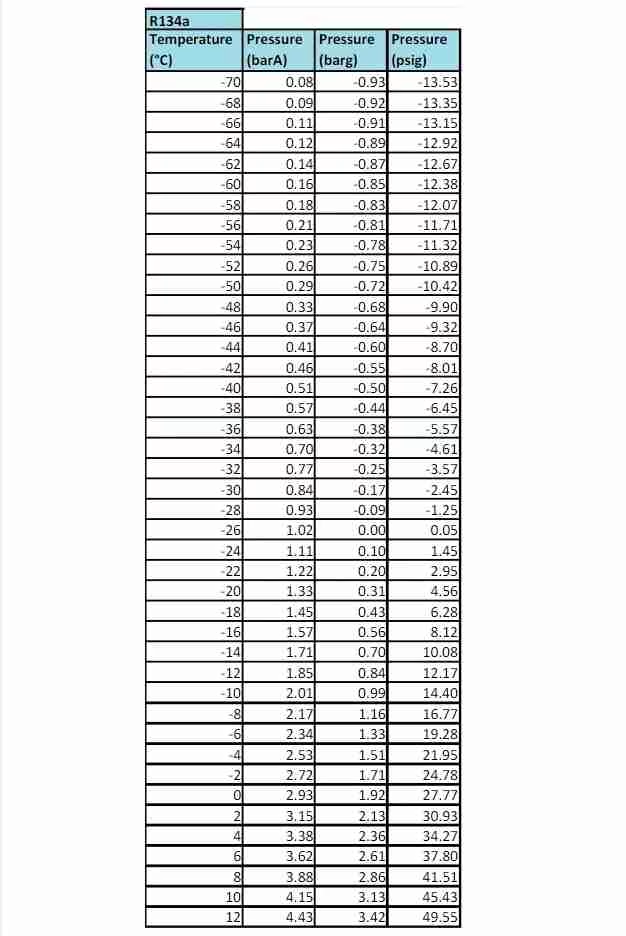
R404A Cooling Effect: R404A is a widely used refrigerant in commercial refrigeration systems, particularly for low and medium-temperature applications, such as in supermarket freezers, refrigerated transport, and ice machines. It has strong cooling performance and is effective at maintaining stable temperatures in demanding environments. It is a blend of three hydrofluorocarbons (HFCs): R125, R143a, and R134a, which gives it favorable thermodynamic properties for refrigeration.
R404A Current Use: While R404A has been popular for decades, it is being phased out or replaced in many regions due to its high GWP and environmental concerns. Alternatives that offer similar cooling performance but with a significantly lower GWP are increasingly being adopted in new refrigeration systems.
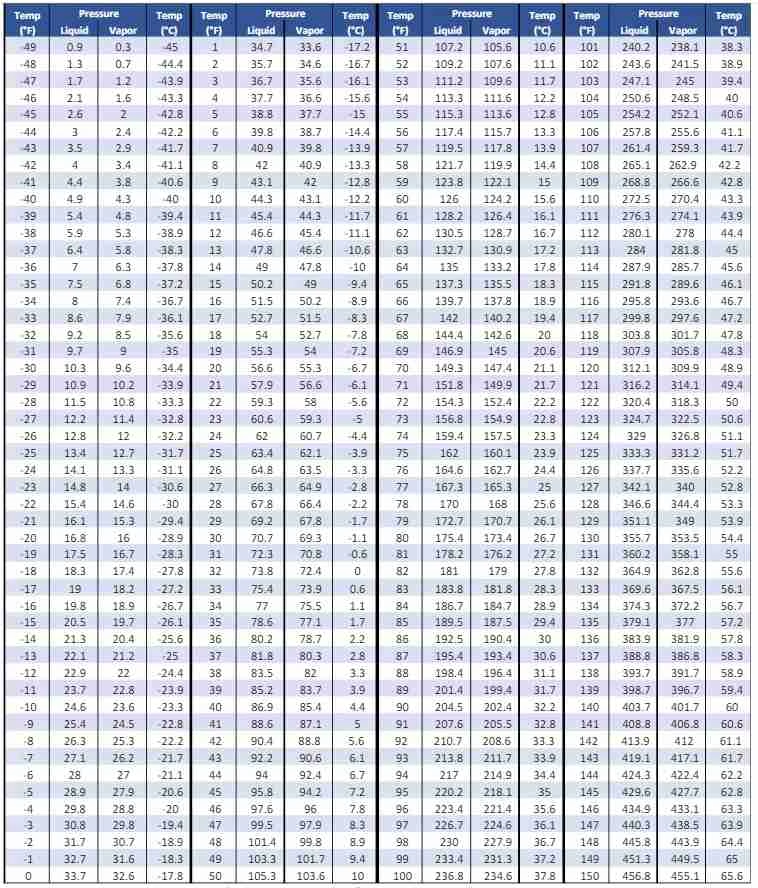

Refrigerants of small chiller must have high safety, good cooling capability and environmental friendliness. Common refrigerants used in chillers are R134A, R410A, and the newer R32. .
The choice of these refrigerants must first take into account the considerations for safety, cooling efficiency, and environmental protection. Traditional refrigerants such as R134A and R410A refrigerant have no better performance. R32 refrigerant is eco-friendly and cools well, but using it safely requires special care.
To improve your cooling effect, you can consider the refrigerant that is most suitable for your machine. Our refrigeration equipment offers various refrigerants. We will give you expert advice to help you find the right one quickly, saving you time and money.
This report will provide a comprehensive analysis of the latest trends and developments in the ice bath chiller market by 2025.
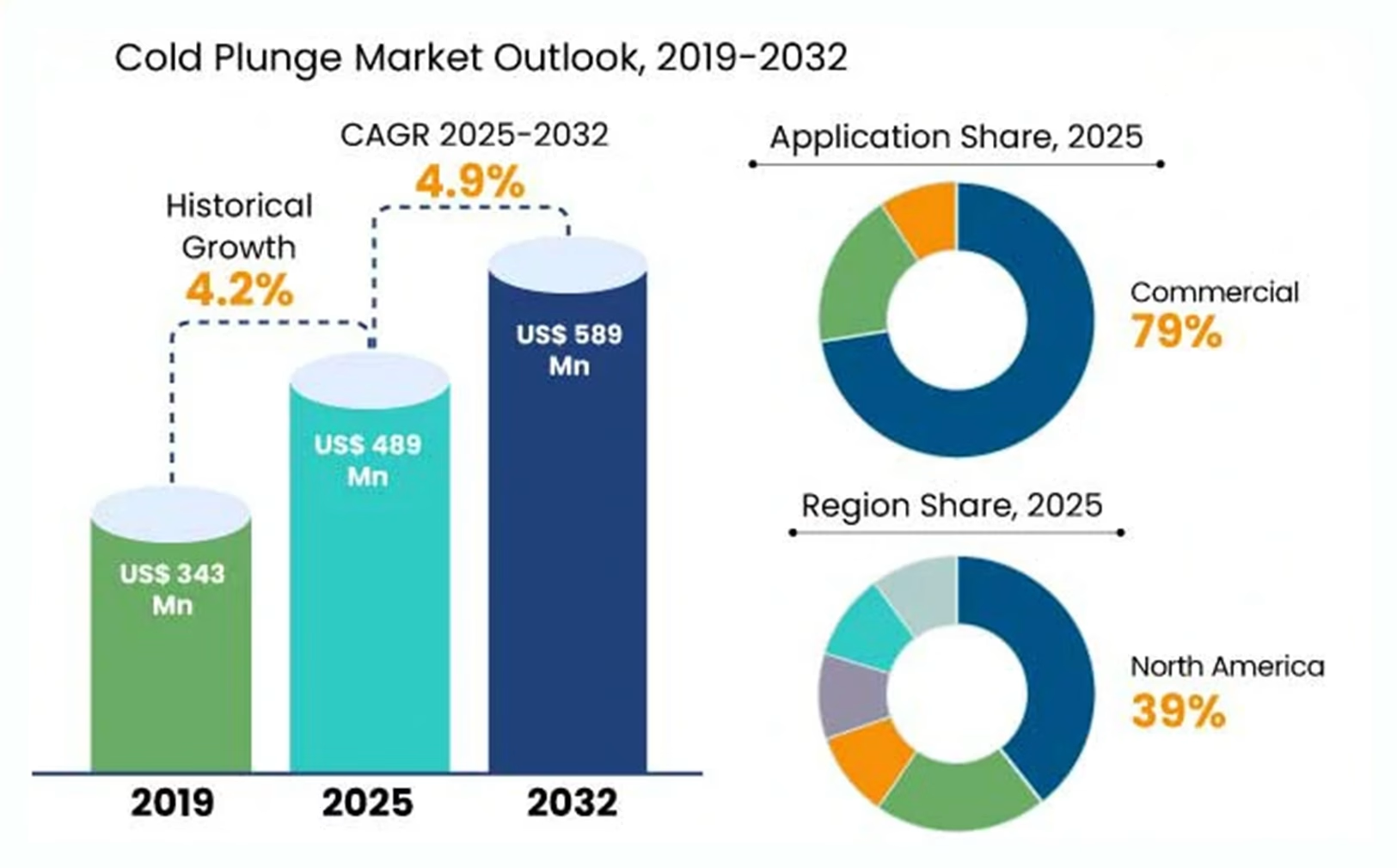
2025 ice bath market share of $500 million, market growth rate of 5.5%, degree of competition, market Features etc.

SYOCHI will introduce some festivals and events in Japan related to ice baths 2025, helping you start your ice baths experience safely.
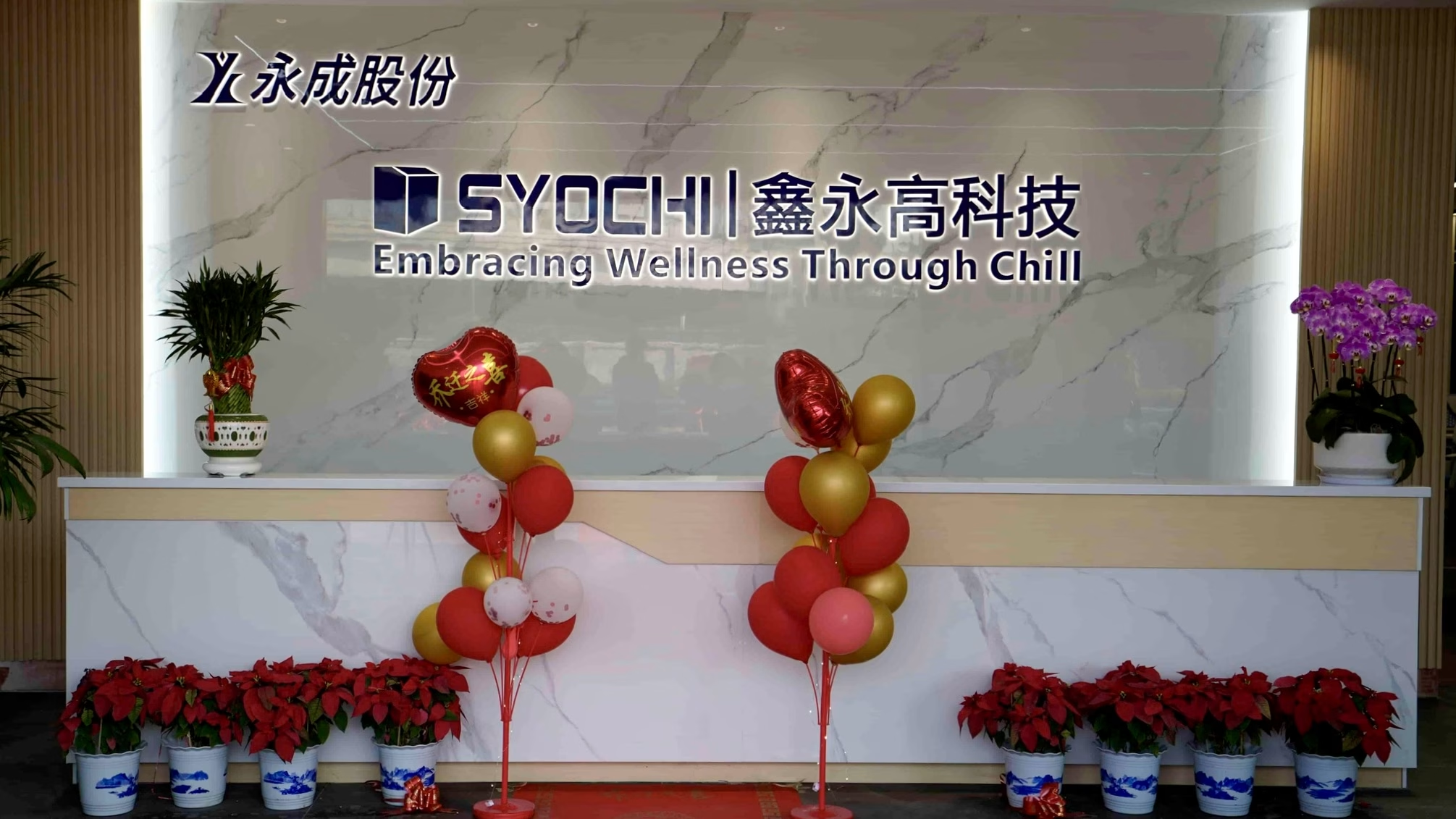
With excitement and joy, we announce with great excitement that the SYOCHI has officially moved to a new office address! Happy New Years 2025!

This blog will introduce you to Top 10 all-in-one plunge brand in US to provide some ideas for customers who are looking for ice bath suppliers.
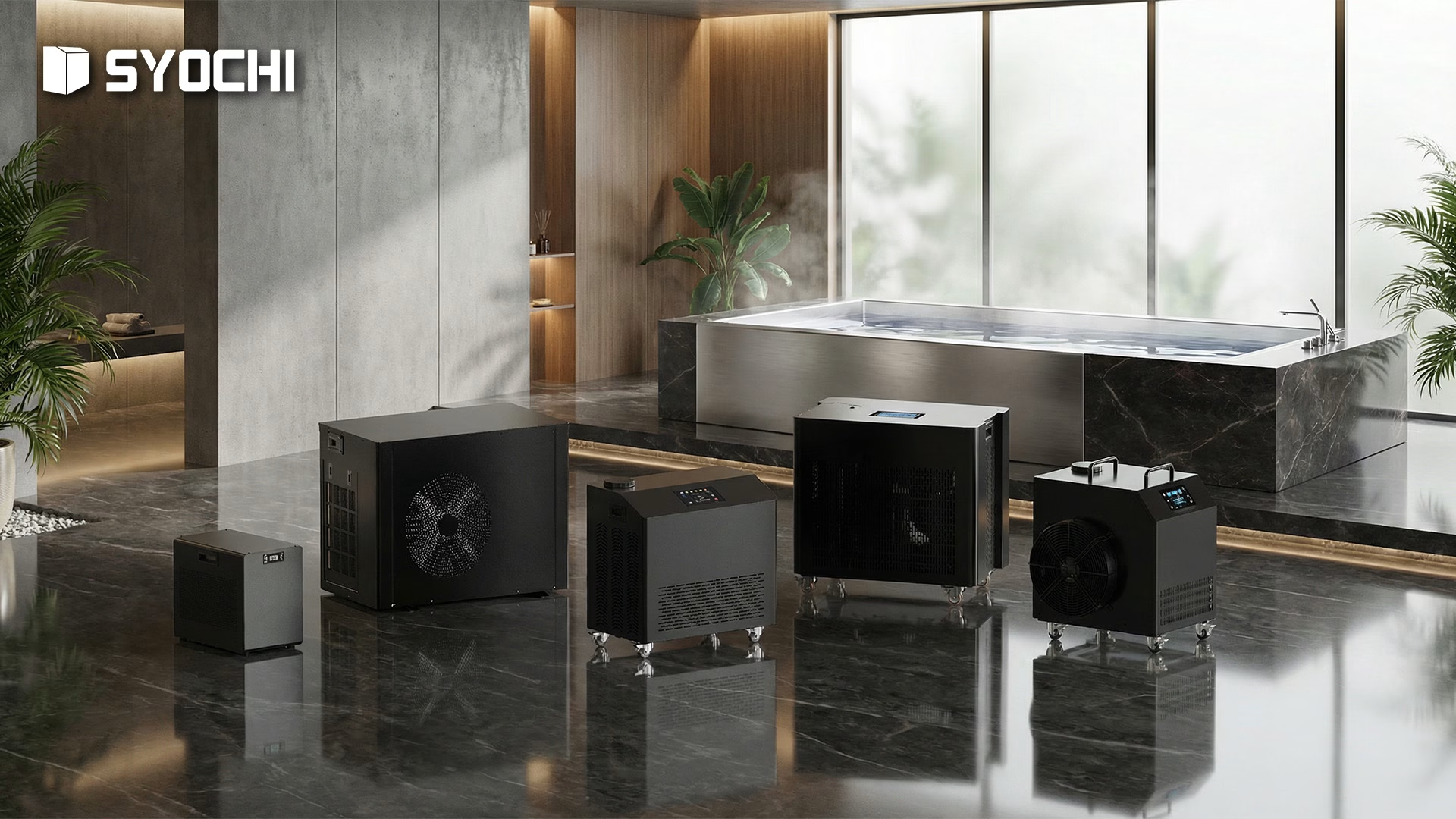
Discover the best cold plunge brands in the US for 2026 and find the right ice bath solution for your needs.
Syochi’s Ice Bath Chiller and services provide you with an undeniable advantage over your competitors
 English English
 Spanish
 Portuguese (Portugal)
 Arabic
 French
 German
 Chinese
 Italian
 Japanese
 Russian
 Estonian
 Bulgarian
 Polish
 Danish
 Finnish
 Dutch
Dutch Czech
Czech Latvian
 Lithuanian
 Romanian
 Portuguese (Brazil)
 Swedish
 Slovak
 Slovenian
 Greek
Greek Hungarian
 Indonesian
 Korean
 Norwegian
 Turkish
 Ukrainian English English Spanish Portuguese (Portugal) Arabic French German Chinese Italian Japanese Russian Estonian Bulgarian Polish Danish Finnish Dutch Czech Latvian Lithuanian Romanian Portuguese (Brazil) Swedish Slovak Slovenian Greek Hungarian Indonesian Korean Norwegian Turkish Ukrainian
WhatsApp us